
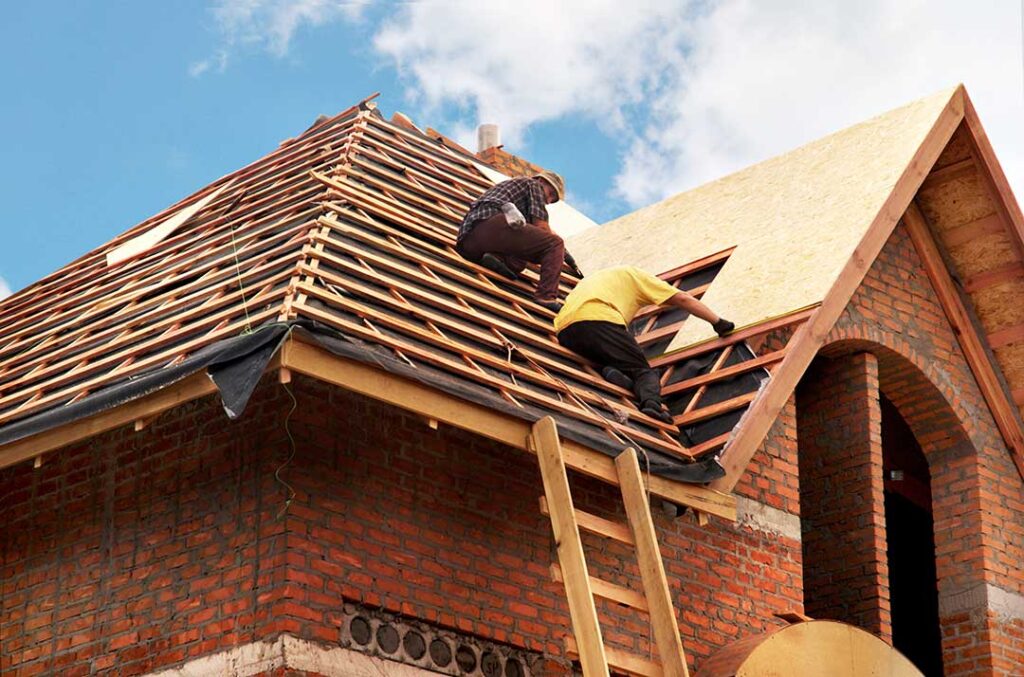
Roof damage does not always wait for convenient conditions. In Hornell, NY, heavy snow, ice, wind, freeze-thaw cycles, and spring rain can turn a minor roofing problem into an interior leak. During COVID-19 or another community crisis, the goal is to protect the home while reducing unnecessary exposure, confusion, and rushed decisions.
How should a roof problem be handled during a crisis?
First, determine whether the damage is an emergency, a temporary-repair situation, or a problem that can safely wait. Active water entering the living space, a partially collapsed roof, exposed electrical wiring, or loose roofing materials near people or vehicles requires prompt attention.
A small stain on a ceiling, an isolated missing shingle, or an aging roof with no active leak may allow time for careful planning. Delaying a non-urgent repair can be reasonable if weather conditions and the building remain stable, but delay should not mean ignoring the problem.
Take photographs from the ground or from inside the attic. Record when the damage appeared, whether it changes during rain or snowmelt, and which rooms are affected. This information can help explain the situation without requiring repeated in-person visits.
What counts as a roofing emergency?
A roofing emergency involves damage that threatens people, the structure, or essential parts of the home. Examples include:
- Water pouring through a ceiling or wall
- A ceiling that is sagging, bubbling, or visibly separating
- A large section of roof covering missing after wind
- A tree limb or heavy debris resting on the roof
- Exposed attic insulation or roof decking
- Water near electrical fixtures, outlets, or wiring
- Roof damage allowing snow or rain into the attic
Move people away from the affected area. Place containers under drips only when doing so is safe, and avoid standing beneath a sagging ceiling. If water is near electrical equipment, do not touch wet switches or wiring. A qualified electrician or emergency service may be needed before anyone addresses the roofing itself.
Do not climb onto a wet, icy, snow-covered, or visibly unstable roof. Roofing work already involves fall hazards, and OSHA identifies uneven surfaces, sudden wind, loose materials, and wet conditions as risks during residential re-roofing. ([osha.gov](https://www.osha.gov/residential-fall-protection/guidance?utm_source=openai))
What temporary steps can reduce damage?
Temporary protection is intended to limit further water entry until permanent work is possible. It is not a substitute for a complete repair.
From inside the attic, place a container beneath an active drip if the floor is stable. If insulation is soaked, keep clear of electrical components and avoid disturbing contaminated or damaged materials. On the exterior, do not use a ladder or roof covering as a temporary work platform during snow, ice, high wind, or rain.
A temporary covering should be installed only when it can be done safely from a stable location. Improvised materials that trap water, block drainage, or pull loose in the wind may worsen the damage. Never cover a roof opening in a way that directs water into an attic or wall cavity.
For insurance purposes, keep receipts for emergency materials and document the damage before cleanup when possible. Policies differ, so coverage should not be assumed based only on the appearance of the damage.
How can roof work be arranged while reducing COVID-19 exposure?
Roof repairs often can be planned with limited indoor contact. Before work begins, establish whether the repair can be completed from the exterior and how necessary information will be exchanged.
Useful arrangements may include:
- Sharing photographs, measurements, and written descriptions electronically
- Discussing the repair outdoors or by telephone
- Keeping residents away from the work zone
- Leaving gates, doors, and access points unlocked when appropriate
- Using electronic documents instead of exchanging paper
- Asking that anyone with respiratory symptoms postpone non-urgent indoor interaction
- Keeping tools, materials, and debris away from household walkways
Current CDC respiratory-virus guidance advises people with symptoms to stay home and away from others until symptoms are improving and they have been fever-free for at least 24 hours without fever-reducing medicine. Additional precautions, such as cleaner air, masking, distancing, hygiene, and testing, may be useful for several days afterward, particularly around people at higher risk of severe illness. ([cdc.gov](https://cdc.gov/respiratory-viruses/prevention/precautions-when-sick.html?utm_source=openai))
If someone in the household is medically vulnerable, recently exposed, or recovering from illness, the repair plan should minimize indoor entry whenever practical. Opening windows or using exhaust fans can improve airflow when weather conditions permit, although ventilation should not allow rain, snow, or unsafe cold into the home. ([cdc.gov](https://cdc.gov/respiratory-viruses/prevention/air-quality.html?utm_source=openai))
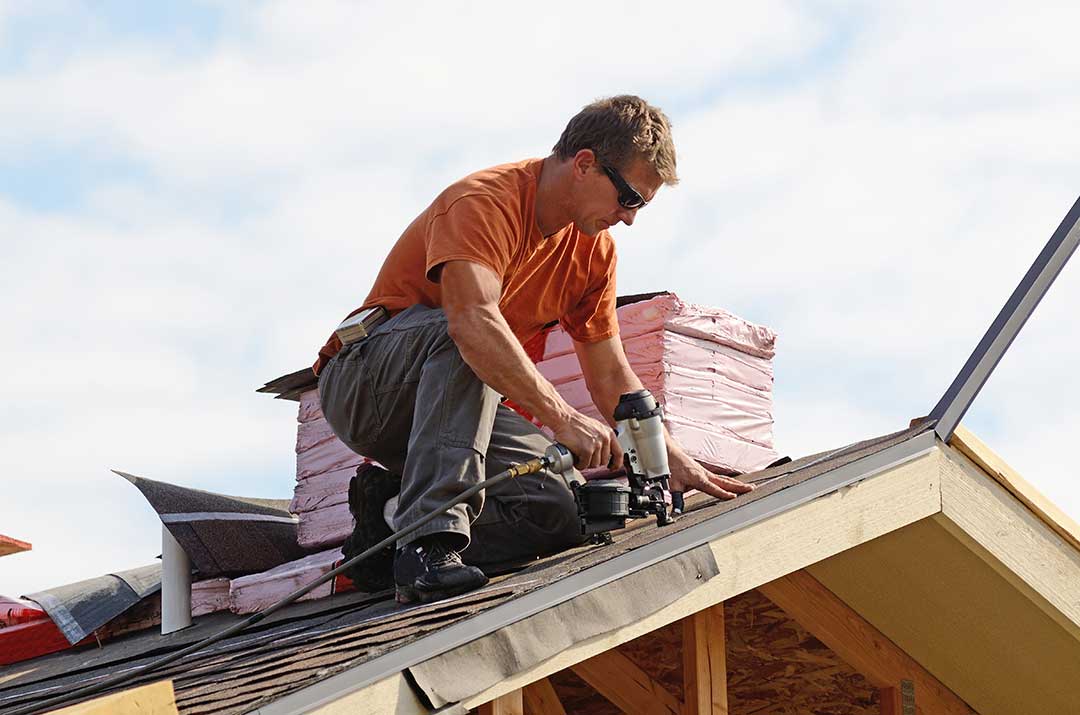
Should residents leave the house during exterior roof repairs?
Usually, exterior work does not require the entire household to leave. Residents may be able to remain indoors if the work area is separated, access to the attic or interior is unnecessary, and the household is protected from falling debris, dust, and noise.
Leaving temporarily may be sensible when:
- Interior access is required
- The roof deck or ceiling is open
- Strong odors, dust, or debris may enter the home
- A household member is at elevated risk from respiratory illness
- Children, older adults, or pets cannot be kept away from the work zone
During an active crisis, ask for a clear description of which rooms, entrances, and outdoor areas will be affected. A simple written plan can prevent misunderstandings and reduce unnecessary contact.
What should residents know about Hornell’s weather and housing conditions?
Weather can determine whether a roof repair is safe and whether a temporary measure will hold. In this part of New York, roofs may face snow load, ice buildup, wind-driven rain, repeated freezing and thawing, and rapid temperature changes. A leak that appears during a thaw may have started earlier when ice or wind damaged the roof covering.
Older homes may also contain multiple roofing layers, enclosed attic spaces, aging flashing, or past repairs that are difficult to see from the ground. Water can travel along rafters, insulation, or ceiling framing before becoming visible indoors. The location of an interior stain is therefore not always the location of the roof defect.
After a winter storm, avoid assuming that a leak is caused only by one missing shingle. Flashing around chimneys, vent openings, wall intersections, and roof edges can also be involved.
Can residents repair a roof themselves during a crisis?
Minor interior actions, such as placing containers under a leak or documenting damage, are generally safer than climbing onto the roof. Roof access should be avoided by anyone without the equipment, experience, and weather conditions needed for fall protection.
OSHA guidance for residential construction emphasizes protection from falls during roofing work, including work performed several feet above a lower level. ([osha.gov](https://www.osha.gov/residential-fall-protection/guidance?utm_source=openai))
Homeowners should also consider hidden hazards: weakened roof decking, concealed ice, unstable ladders, overhead utility lines, and debris that may slide unexpectedly. A crisis is not a reason to bypass basic fall protection or building-safety requirements.
How can a repair be prioritized if materials or workers are delayed?
Prioritize work in this order:
1. Protect people from structural, electrical, and falling-object hazards.
2. Stop or reduce active water entry.
3. Protect ceilings, walls, insulation, and personal property from further damage.
4. Complete permanent repairs when safe materials, weather, and labor are available.
5. Address older maintenance issues that could create another emergency.
The most useful preparation is a written record of the problem, temporary measures, dates, photographs, and any areas that remain unsafe. Clear documentation helps the household make decisions based on actual conditions rather than fear, pressure, or guesswork.
