

Why Is Rooftop Safety a Concern for Homeowners in Hornell, NY?
Rooftop safety matters for residents because the region’s weather, older housing stock, and seasonal maintenance needs increase the risks. Many homes in the community have steep or aging roofs, and harsh winters followed by wet springs can make surfaces slick or unstable. Residents often clean gutters, clear debris, or check for storm damage themselves.
Understanding the specific hazards helps reduce the risk of injuries. Accidents on roofs are a leading cause of fall-related harm at home, but most incidents are preventable with common-sense precautions.
What Are the Main Risks When Climbing on a Residential Roof?
The most common dangers include falls from heights, slips due to moisture or moss, unstable ladders, fragile materials, and unexpected gusts of wind. Loose shingles, soft or rotted decking, and sudden weather changes are all common around local rooftops.
Homeowners often underestimate:
- How quickly a roof can become slick from dew, rain, or algae growth.
- That gutters, eaves, or older skylights may not support any weight.
- How easily tools, leaves, or even shoes can trigger slipping.
When Is It Safest to Inspect or Work on My Roof?
Choose dry, calm days for any work or inspection, ideally mid-morning after dew has evaporated. Avoid climbing onto rooftops during or soon after rain, snow, or leaf-fall, when surfaces are wet and loose debris is more common. Spring and fall, the traditional seasons for local roof and gutter cleaning, often bring sudden weather shifts. Check forecasts for wind and unexpected storms before starting.
What Steps Should I Take Before Setting a Ladder?
Set the ladder on firm, flat ground, and angle it properly—about one-fourth the ladder’s height away from the house. Secure the top against the eaves or have someone hold the base. Always extend the ladder at least three feet above the edge for stable entry and exit.
Before climbing:
- Inspect for cracked rungs or bent hardware.
- Wear rubber-soled, well-fitting shoes.
- Clear leaves, stones, or mud at the base.
Overhanging trees and loose gravel around many homes can make finding stable ground tricky. Sometimes placing plywood sheets under ladder feet improves stability.
How Can I Move Safely Once On the Roof?
Limit movement, stay low, and move slowly. Walk only on dry, stable sections, and avoid stepping near edges. If a roof is particularly steep or has visible soft spots, don’t walk on it at all.
For basic tasks like clearing a single gutter:
- Position your body so your belt buckle stays between the rails of the ladder.
- Use a tool belt or bucket—never carry tools in your hands while climbing.
- Face the roof as you move, and always keep three points of contact (two feet and one hand, or both hands and one foot) if possible.
Are There Specific Materials or Roof Styles That Increase My Risks?
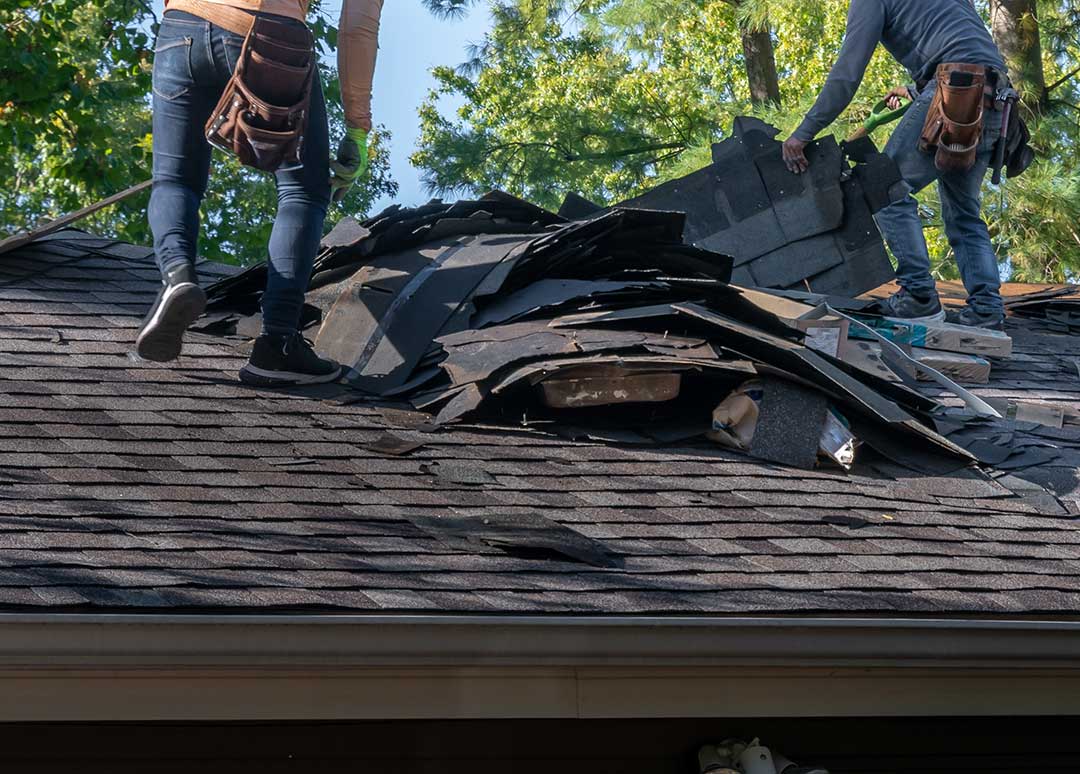
Yes, many older homes in Hornell have steep-pitch roofs covered in asphalt shingles or sometimes slate, both slick when wet. Metal roofs are even more slippery under any moisture. If a roof has visible moss, algae, or leaves, it can be hazardous even when dry.
Porches, garages, and dormers may have flatter sections that seem safer but often have fragile or weathered decking. Unreinforced overhangs should never be walked on.
What Should I Wear to Protect Myself?
Proper clothing reduces both slip and scrape injuries. Sturdy, closed-toed shoes with non-slip soles are a must. Long pants and long sleeves protect skin from scratches, sunburn, or contact with rough materials. Work gloves guard against sharp edges or nails.
Wide-brimmed hats or sunglasses help prevent glare, but be careful that vision isn’t obstructed. Avoid baggy clothes that could catch or snag.
Should I Be Worried About Electrical Hazards?
Absolutely. Overhead powerlines are common in residential neighborhoods, and accidental contact with tools or gutters poses real danger. Always look up before setting or moving ladders and keep metal tools far from power lines.
Gutter cleaning and antenna adjustment are common local chores that bring residents near live wires. If any wiring appears loose or damaged, stay clear and report it to the local utility provider.
How Common Are Roof Collapse or Structural Failures?
Roof collapse risks are rare, but not unheard of—especially on older homes with visible water damage, soft or sagging spots, or after heavy snow. Never walk on visibly sagging surfaces, and be extra cautious in spring when snowmelt and rain may have weakened older decking.
Many residents underestimate how easily a weakened section can give way. Tapping with a broom handle from a ladder before fully stepping on a questionable area can provide a simple test, though even this is not a guarantee of safety.
Can I Use Safety Equipment to Make DIY Roof Tasks Safer?
There are basic tools that improve safety, including harnesses, roof brackets, and non-slip shoes. However, most homeowners don’t own such gear, and it may not be cost-effective for occasional use. Using a spotter—someone to steady the ladder and assist if needed—adds a vital layer of safety.
Carrying cell phones in a secure pocket ensures communication if something goes wrong. Never work alone if you can avoid it.
When Should a Homeowner Avoid Climbing Up Altogether?
If the roof is steep, visibly damaged, wet, icy, or close to power lines, it’s safest to avoid climbing. Health concerns—such as dizziness, impaired mobility, or balance issues—also increase the risks and make it wise to stay on the ground. After major storms, when structural integrity is uncertain, keeping off the roof is the wisest choice.
