
Do Shade Trees Help or Hurt Roof Lifespans in Hornell, NY?
Shade trees can both extend and shorten the life of a roof, depending on local conditions and maintenance habits. In Hornell, the city’s leafy neighborhoods provide benefits and challenges to area households with mature tree canopies.
Here’s how:
- Trees that offer consistent shade may reduce heat stress on roofing materials during the city’s warm summers, potentially slowing wear and tear.
- Overhanging branches, however, can lead to increased debris and moisture that threaten shingles, flashing, and gutter systems.
Understanding these dual impacts allows residents to get the most benefit from their shade trees while minimizing risks.
How Does Tree Shade Protect Roofs from Sun and Heat?
Providing shelter from direct sunlight, mature trees can keep roof surfaces significantly cooler during peak summer days in Hornell. This effect is most notable on asphalt shingles, which are prone to heat-induced cracking and granule loss.
When temperatures are kept lower:
- Roofing material dries out and deteriorates more slowly
- Indoor cooling costs may be slightly reduced for households, especially on upper floors
However, the full impact depends on roof orientation, the density of a tree’s canopy, and seasonal variation. Roofs on south- or west-facing sides of homes tend to benefit most from shade in July and August.
Are There Hidden Moisture Risks with Overhanging Branches?
While shade from trees helps control heat stress, overhanging limbs introduce moisture risks. In Hornell’s climate, frequent rain and a fair amount of snowfall can cause problems when leaves, twigs, seeds, or pine needles collect on the roof.
Risks include:
- Trapped moisture beneath leaves and debris, preventing proper drying after rainfall
- Accelerated growth of moss, algae, or lichen—often seen on north-facing roof slopes in the city
- Water backing up under shingles, risking leaks or rot
Local observations show these problems are most common in older neighborhoods where gutters can be overwhelmed by autumn leaf drop.
How Do Shade Trees Affect Gutter and Drainage Systems?
Tree cover above a home increases the frequency with which gutters and downspouts need to be checked, especially after windstorms or each fall when leaves tumble.
If gutters and valleys fill with organic matter:
- Water cannot drain away from the roof effectively
- Ice dams may form in winter, particularly when daytime melting is followed by freezing nights typical of Hornell’s late fall and early spring seasons
- Overflowing water can damage fascia boards, soffits, and occasionally enter attics
Residents who keep gutters clean and ensure good water flow help counteract these risks, allowing the positive effects of shade to outweigh the negatives.
Do Local Wildlife and Droppings Relate to Shade Trees?
Branches that reach over a home often serve as highways for squirrels, birds, and other wildlife. Nesting or perching can lead to:
- Droppings that degrade roofing material—bird and squirrel droppings are acidic and may stain or corrode surfaces
- Seeds or food debris that attract insects, which can then take advantage of any softening wood or unsealed gaps
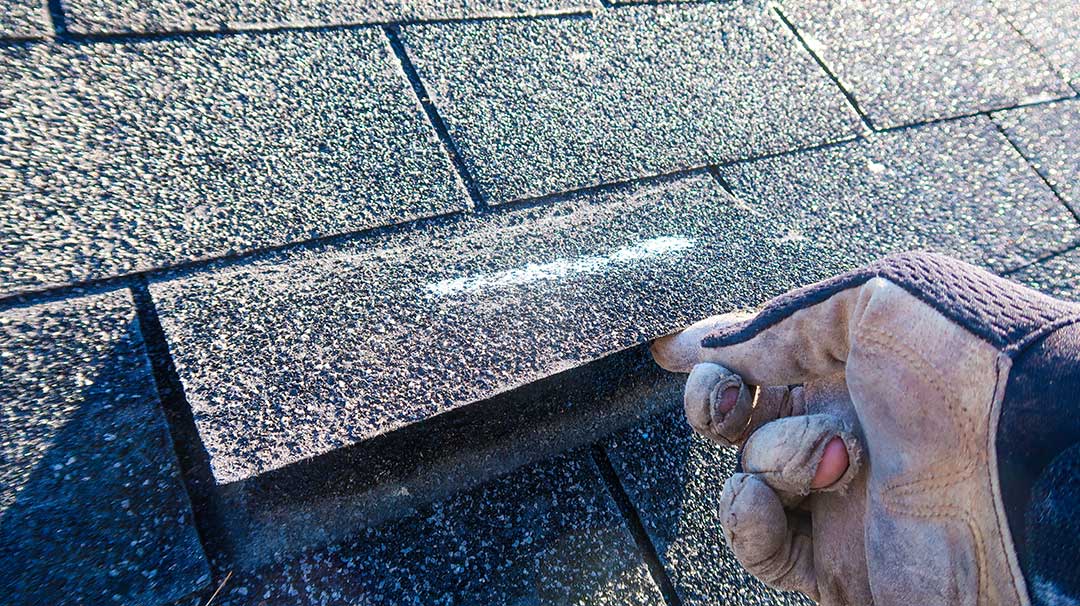
In the city, it’s not unusual to see the effects of animal activity on roofs near mature oaks, maples, and evergreens in both older and newer residential districts.
Can Tree Roots Impact Roof Longevity?
While roots themselves don't reach the rooftop, large, old trees near a home may disrupt soil and foundation, causing subtle shifts to the building’s structure over time. If a house settles unevenly, gaps may develop at flashing or roof-wall intersections, allowing moisture where it shouldn’t go.
This is a less common issue, but one sometimes seen in the region’s older homes built near big trees. Careful observation for any changes inside or around the roofline can help catch problems early.
What Regular Maintenance Reduces Shade Tree Risks?
A well-shaded roof in the city can last longer when paired with a few practical habits:
- Prune back overhanging limbs so they don’t touch or scrape the surface during storms or windy periods
- Clear leaves, pine needles, and other organic debris from the roof and all gutters at least twice a year, ideally in late spring and late fall
- Inspect roof surfaces each spring after snowmelt for any signs of moss or algae growth
- Cut back climbing vines, which can trap moisture and hide early signs of shingle wear
Simple regular care maximizes the benefits of shade and reduces tree-related hazards.
Common Misconceptions About Roofs and Trees
Some local myths still circulate about shade and roofs:
- More shade always means less damage—In reality, too much overhang without maintenance increases the risk of rot and early shingle failure.
- Trees prevent all roof leaks—Tree cover does not protect against wind-driven rain, ice dams, or all roofing weaknesses.
- Only old roofs are at risk—Even newer roofs can see accelerated wear if leaf litter or branch abrasion is allowed to persist.
Residents should consider both the advantages and trade-offs of nearby tree cover.
When Should Residents Seek Outside Help for Roof Issues?
For most situations, regular do-it-yourself checks are sufficient. However, if a branch damages shingles during a storm, or if major debris becomes unreachable without climbing, professional intervention may be warranted for safety.
It is also wise to consult a service if large limbs need careful removal near power lines or when a roof shows persistent leaks after repeated cleaning.
By understanding the interplay of local trees and roofs, Hornell residents can enjoy both greener neighborhoods and longer-lived roofs.
