

Why Does Preventive Roof Maintenance Matter in Hornell, NY?
Preventive roof maintenance reduces unexpected repair costs, helps avoid serious water damage, and preserves home value in the city’s climate. Many local residents live in homes built decades ago, making regular maintenance even more relevant as roofing materials age.
Hornell sees everything from freezing winters to humid summers. These cycles of snow, ice, rain, and sun accelerate wear on shingles, flashing, and gutters. Without attentive care, small issues — like a missing shingle or clogged downspout — can quickly become much costlier problems.
What Are Common Roof Issues That Routine Maintenance Can Prevent?
Regular maintenance can identify and fix small concerns before they turn into bigger headaches. In area homes, the following problems are frequently prevented through simple checks:
- Loose, cracked, or missing shingles from winter ice and winds
- Blocked gutters causing ice dams or rainwater backup under roofing
- Moss or algae growth in shady, damp areas of the roof
- Deteriorated flashing around chimneys, skylights, or vents leading to leaks
- Exposed or rusted roofing nails that invite moisture in
Left unchecked, these issues often result in leaks that can damage insulation, ceilings, and even cause structural wood rot.
How Does Regular Maintenance Extend the Life of a Roof?
Consistent roof care extends a rooftop’s life by slowing material breakdown and stopping minor defects from spreading. Most locally installed asphalt shingle roofs are expected to last 20–30 years, but this estimate assumes routine inspections and maintenance.
Unchecked moss or leaves can hold moisture against shingles, while small leaks might rot sub-roofing or reach attic insulation. By clearing, cleaning, and sealing trouble spots promptly, area households can often push roof replacement further into the future.
What Maintenance Tasks Do Most Hornell Homeowners Overlook?
Many occupants focus on visible issues while overlooking less obvious vulnerabilities. Some frequently missed tasks include:
- Inspecting attic spaces after storms for early leak signs, such as damp insulation or water stains
- Checking the underside of the roof deck for daylight, which may indicate gaps or holes
- Examining vent pipes and rooftop accessories for cracked seals or rust stains
- Trimming overhanging branches that drop debris or scratch roofing
Thorough preventive care means not just looking at the roof’s exterior but also checking critical areas inside the home where issues might first appear.
Can Preventive Maintenance Lower Energy Bills in Local Homes?
Small gaps, lost shingles, or damaged underlayment create hidden air leaks. In heated, draft-prone homes throughout the city, these tiny breaches can cause temperature swings — making furnaces and AC units work harder. Tight, well-maintained roofing improves insulation, helps keep moisture out of attic spaces, and may translate into steadier energy bills.
What Are Signs That Preventive Maintenance Is Needed?
Obvious symptoms include water stains on ceilings, discolored patches on exterior walls, or visible curling and cracked shingles. Less apparent indicators:
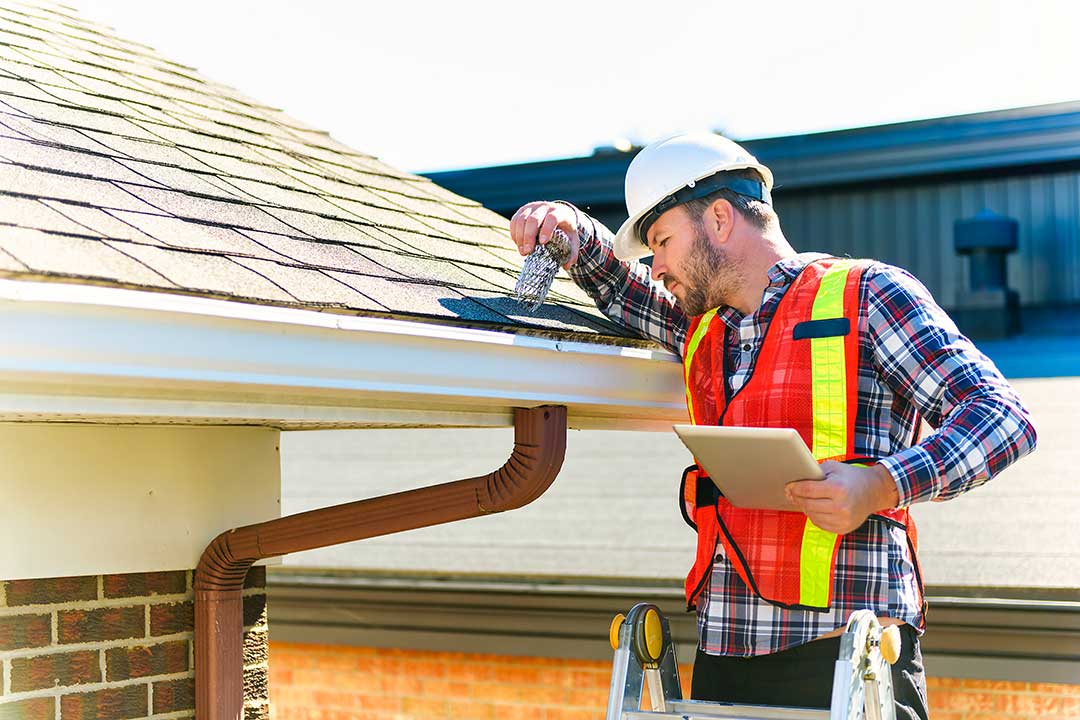
- Gutters overflowing during rain, which may suggest clogs
- Areas of roof sagging or bouncing under foot
- The presence of mold or a musty odor in upper rooms or attics
Routine, seasonal roof checks — especially after heavy snow, ice, or wind events — can catch these warning signs early.
How Frequently Should Residents Perform Roof Maintenance?
Annual maintenance, typically in late spring or early fall, catches most issues caused by temperature changes and ensures the roof is ready for the next season. Gutters are best checked twice a year: after leaves drop in autumn and again after spring pollen and seed debris.
Regular visual inspections from the ground after major storms are also wise — even a single lost shingle or flashing issue can create lasting problems if not repaired quickly.
What Can Homeowners Safely Handle, and When Is Extra Caution Needed?
Clearing loose debris, trimming nearby branches, and checking gutters are often within the skill set of many residents. However, if the roof is steep, slippery, or damaged, climbing it can be risky. Handling minor maintenance is fine for confident individuals using proper ladder safety and non-slip footwear. Tasks involving persistent leaks, soft spots, or suspected structural issues should be addressed more cautiously.
Working from a stable position and avoiding icy, wet, or very hot days reduces the risk of falls. If there’s uncertainty about the roof’s condition or safety, prioritizing personal safety is essential.
Are There Local Factors Impacting Roof Maintenance Priorities?
Hornell’s freeze-thaw cycles and heavy winter precipitation create unique stresses. Ice dams along gutters can push water beneath shingles, while moss buildup is common on shaded, north-facing roofs. Trees close to homes may shed branches, leaves, or sap. These local factors mean maintenance isn’t about appearance alone: it’s about protecting underlying structures from the region’s year-round humidity, snow loads, and rapid seasonal shifts.
Local building codes and older neighborhood layouts may also affect roof access or require attention to shared drainage systems in multi-family or historic homes.
What Are the Long-Term Benefits for Property Owners?
Preventive roof maintenance can help preserve property value and avoid unexpected disruptions, all while providing peace of mind. Well-maintained roofs are less likely to harbor hidden mold, facilitate pest entry, or need emergency repairs during storms. This can mean easier insurance claims and more confident real estate transactions down the road.
For residents of the city, treating roof care as a routine home task — rather than just a reaction to visible problems — helps protect against both major repair bills and gradual damage that can undermine a home’s safety and comfort.
