
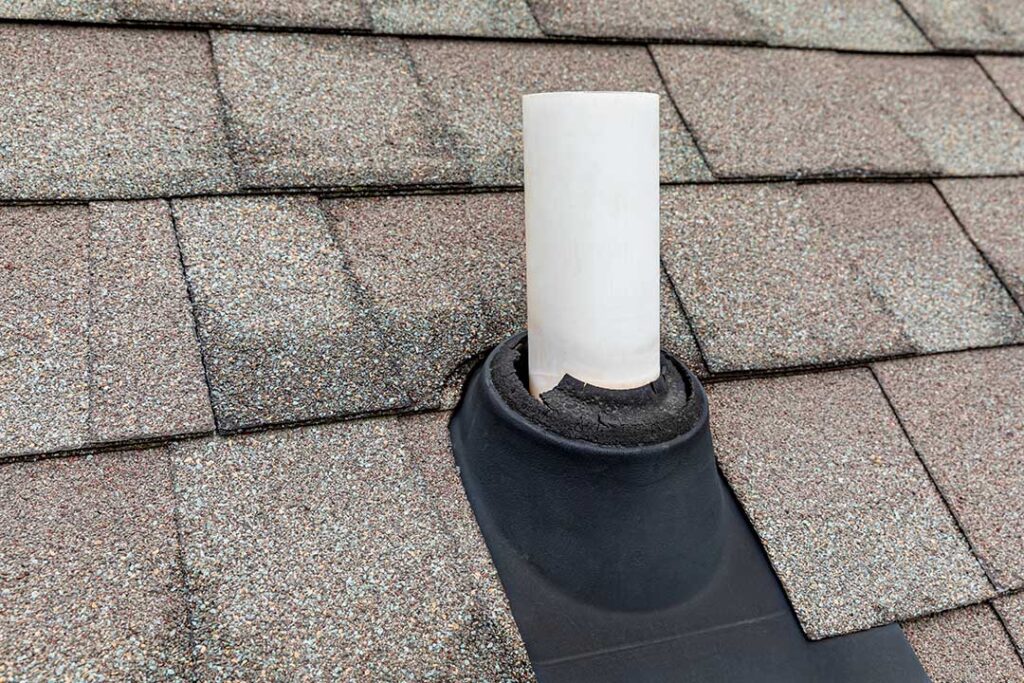
What Should You Do First if Your Roof Is Damaged Suddenly?
If high winds, heavy snow, or a sudden storm has damaged your roof in Hornell, NY, your initial response can make a big difference in limiting further harm. As soon as you notice water dripping inside or see exterior shingles missing after a storm, focus on safety and immediate damage control.
- If you suspect any structural danger, such as sagging ceilings or widespread leaking, keep family members and pets clear of that area.
- Do not attempt to climb onto the roof during a storm, after dark, or while it remains slippery.
- Use buckets, towels, or tarps indoors to catch or divert water that's intruding.
- Safely cut power to rooms where water nears electrical outlets.
Document visible damage with your phone for future insurance claims. If you can safely take photos from the ground, it helps create a clear record of what happened and when.
How Can You Temporarily Stop Water from Getting Inside?
Minimizing interior water damage is often possible with quick fixes, as long as you don’t put yourself at risk.
- Use plastic sheeting or heavy-duty garbage bags indoors to shield valuables and electronics from dripping water.
- If you’re able to safely reach the affected roof area with a ladder (never during active weather or high winds), a large tarp can be held down at roof edges with boards, bricks, or ropes. Spread the tarp so it overlaps the roof peak and extends several feet beyond the damage to reduce leaks.
- For attic leaks, placing containers under dripping areas and removing wet insulation can reduce ceiling collapse risk.
Take extra care with older homes in Hornell, as rafters and decking may already be weakened. Never remove ceiling material if you suspect large volumes of trapped water above—this can result in sudden collapse and injury.
When Should You Avoid DIY Repairs in Hornell?
While many residents are comfortable with small home fixes, roof emergencies bring unique risks. There are times when waiting for safe conditions or experienced help is necessary:
- After ice storms, heavy snowfalls, or freezing rain, roof surfaces are especially hazardous. Attempting to walk on icy shingles increases fall risk.
- If your roof is steep or multi-story, climbing up carries greater danger, especially with scattered debris or broken materials.
- Extensive electrical components (such as solar panels or old antennae) increase shock risk in wet conditions.
- Visible sagging, deep cracks, or bowed rafters suggest structural risk, and entering the attic could be unsafe.
In these cases, focus on limiting further water entry indoors and documenting the situation rather than making exterior repairs yourself.
What Materials Should You Have on Hand for Roofing Emergencies?
Area homeowners can be better prepared for sudden roof issues by keeping a few supplies ready, particularly during local storm seasons.
Useful materials include:
- Heavy plastic sheeting and waterproof tarps (at least 10×12 feet)
- Duct tape and strong rope or bungee cords for securing covers
- Plywood sheets for larger holes if safe access is possible
- Utility knife, gloves, and safety goggles
- Buckets or large pots for catching water indoors
Have a sturdy extension ladder in good condition, but never use it if wind speed is high or if the ground is muddy or unstable from rain.
How Can Hornell Residents Minimize Roof Emergency Risks?
Proactive steps can limit the likelihood of a sudden roofing crisis, even in an area with wide seasonal weather swings. Regular checks are especially important after early spring thaws and following major wind or hail events.
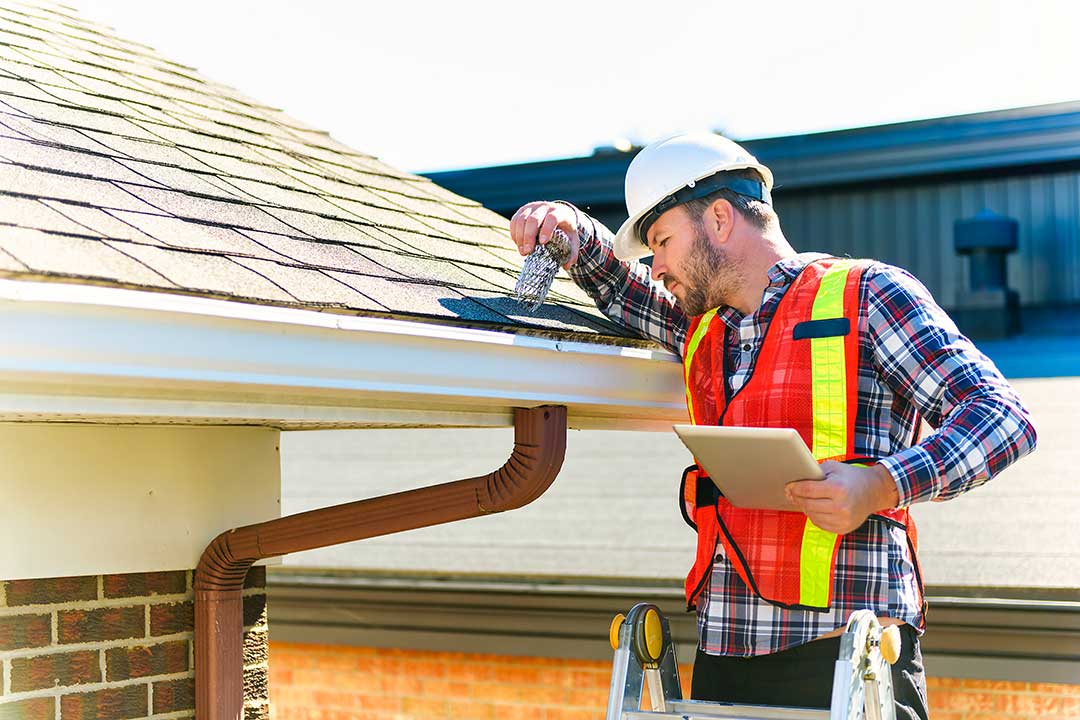
Preventive actions include:
- Clearing gutters and downspouts several times during the fall to prevent ice dams.
- Watching for loose, curled, or missing shingles after each windstorm.
- Ensuring attic ventilation is functioning to limit risk of ice damming during cold spells.
- Inspecting the attic for dark water stains or musty smells, which indicate slow leaks that become urgent over time.
If you have mature trees near your roof, pruning back limbs before storm season reduces the risk of branches damaging shingles or gutters.
What Mistakes Do Homeowners Commonly Make After a Roof Emergency?
In stressful situations, it's easy to overlook important steps or make simple mistakes that lead to further damage or increased costs.
Frequently seen missteps include:
- Waiting too long to address the initial leak, which can turn minor damage into rotten rafters or mold growth.
- Using temporary materials that direct water into attic spaces rather than away from the house.
- Attempting too much DIY repair on steep, wet, or structurally unsound roofs, risking injury.
- Failing to thoroughly document the damage for future claims or repairs.
Even if roads are clear and there's no imminent danger after a storm, it's wise to consider roofing safety guidelines and avoid rushed, improvised solutions on upper-story homes.
Does Insurance Cover Emergency Roof Damage in Hornell?
Most homeowners’ insurance policies in the area provide some coverage for sudden roof damage from severe weather, falling tree limbs, or accidents. However, exclusions often exist for pre-existing wear or gradual deterioration.
- Immediate documentation with photos and detailed notes of the event date and conditions makes insurance claims smoother.
- Temporary protective measures, such as tarping, are sometimes required by insurers to prevent further damage.
- Keep receipts and photos of any materials or work done as part of the emergency response, as these may be reimbursable.
Check your individual policy for details specific to weather common in this part of New York, such as wind-driven rain exclusions or separate deductibles for ice dam claims.
