
What Is a Cool Roof Rating?
A cool roof rating is a measurement of how well a roofing material reflects sunlight and releases heat. For area homeowners, understanding these ratings helps in choosing roofing that performs better in summer, reducing unwanted heat gain indoors.
Cool roof ratings are generally based on two main characteristics:
- Solar Reflectance: The percentage of sunlight that a roof surface reflects.
- Thermal Emittance: The ability of the roof to radiate absorbed heat away.
Both values are measured on a scale from 0 to 1, where higher numbers indicate better performance. The combination of these two factors helps indicate how much solar energy is reflected and how quickly the roof cools down.
Why Should Households in Hornell Consider Cool Roof Ratings?
Residents in Hornell experience distinct seasons, with cold winters and warm, humid summers. While cool roof benefits are often associated with hot climates, they are also valuable in regional homes—especially those seeking energy-efficient solutions or dealing with uncomfortable upper floors in summer.
For local homes, important practical reasons to consider cool roof ratings include:
- Lower attic temperatures during peak summer days
- Possible reductions in cooling energy use, especially with air conditioning
- Less thermal strain on roofing materials, potentially extending roof life
In older homes or buildings with dark, heat-absorbing roofs, even small improvements in reflectivity can make attics and upper floors much more comfortable.
How Are Cool Roof Ratings Calculated and Displayed?
Cool roofing products in the United States are typically rated by the Cool Roof Rating Council (CRRC). Their system involves standardized lab testing of two performance factors:
- Initial Solar Reflectance: Tested when the product is brand new.
- Aged Solar Reflectance: Tested after three years of simulated weathering.
- Initial and Aged Thermal Emittance: Measured both new and weathered.
These results are often displayed as a set of four values on technical product listings or packaging. For instance, a listing might read:
Solar Reflectance: Initial 0.70 / Aged 0.65
Thermal Emittance: Initial 0.85 / Aged 0.80
This gives buyers a realistic sense of how the material will perform both immediately and after several years on a Hornell rooftop, accounting for the effects of rain, sun, and seasonal changes.
What Do These Numbers Mean for Local Homeowners?
A higher solar reflectance value means the roof absorbs less sunlight, staying cooler to the touch. A high thermal emittance value means the roof efficiently releases absorbed heat, which can reduce how much that heat enters the home.
In practical terms:
- Roofs with reflectance of 0.60 or higher are considered very effective.
- Roofs with both high reflectance and high emittance help keep indoor spaces cooler.
For the community, this means that lighter-colored roofs or specially coated materials labeled as “cool” will generally produce less attic heat and could reduce cooling needs, especially in two-story homes or older houses with limited insulation.
Are Cool Roofs Only Helpful in Hot Climates?
No, cool roof ratings are also useful in climates like Hornell’s, especially during long, sunny summer days. Some local residents worry that cool roofs could make homes colder in winter by reflecting sunlight. In practice, most winter sunlight is minimal compared to the extra heat that builds up during summer. The benefits of reducing summer overheating usually outweigh any minor reduction in passive solar gain in traditional homes.
Cool roof benefits are most noticeable in:
- Homes with large or dark roofs exposed to direct sunlight
- Buildings with poor attic ventilation or limited insulation
- Top-floor apartments or finished attics that become uncomfortably warm
Are There Drawbacks or Misconceptions?
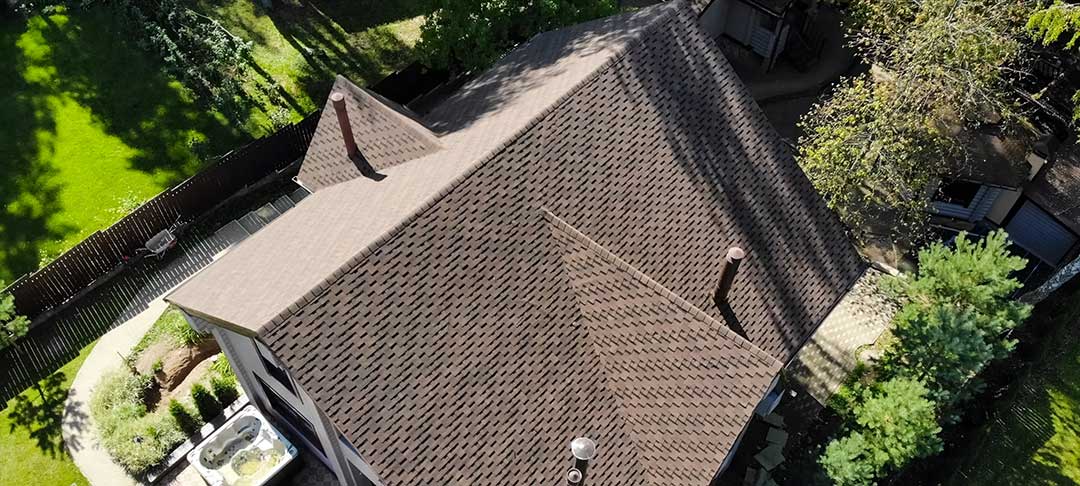
One common misconception is that all cool roof products are very light or white. In reality, advances in roofing technology have made darker cool roofing options possible, including shingles designed to reflect more sunlight while maintaining typical roof colors seen around the city.
Potential drawbacks for local roofs include:
- Damp climate in spring and fall can sometimes cause algae or mildew to appear more visible on lighter roofs.
- The aesthetic difference of lighter roofing may not fit every home style or homeowner preference.
It’s also important to remember that roofing performance depends on the whole assembly—ventilation, insulation, attic air sealing, and roof maintenance all contribute alongside material ratings.
What Factors Should Residents of Hornell Weigh Beyond the Rating?
Beyond the numbers on a cool roof label, area households should consider:
- Roof pitch and orientation: South- and west-facing slopes absorb more afternoon sun.
- Tree cover: Shading can reduce the impact of roofing reflectance, especially on properties with mature trees.
- Insulation: Well-insulated attics may reduce the impact—positively or negatively—of roof surface temperature.
Additionally, some local historic homes or neighborhoods may have restrictions or aesthetic guidelines on visible roofing materials, which may limit options.
Where Can Homeowners Find Reliable Roof Rating Information?
The most reliable resource for cool roof ratings is the Cool Roof Rating Council’s Rated Products Directory, which is publicly available online. This independent listing allows anyone to look up tested reflectance and emittance values for roofing materials before making decisions. City building departments and home improvement centers may also have material fact sheets, especially for new construction or significant renovations.
Reliable product labels will show CRRC ratings; verification ensures residents are comparing tested performance, not just marketing claims.
