

What Does a Roof Warranty Typically Cover?
Most roof warranties provide assurances against certain kinds of material defects and sometimes include coverage for workmanship. In practical terms, this means manufacturers often guarantee their shingles or other roofing materials won’t fail under normal weather and usage conditions for a given number of years. Some contractors or installers issue separate warranties for their labor.
For homes in Hornell, standard warranties generally:
- Cover manufacturing flaws that lead to premature shingle failure, like cracking or blistering
- May protect against leaks caused by these material defects
- Usually do not include coverage for damage caused by winds above a certain speed, severe storms, or natural disasters
Workmanship or installation warranties, if offered separately, will only cover problems that occur due to mistakes made during installation, not regular wear and tear or material failure.
How Can You Tell If Your Roof Still Has Warranty Protection?
To determine if your roof is still under warranty, you’ll need several pieces of information:
- The installation date of your current roof (found on invoices, permits, or home records)
- The brand and type of roofing material used
- Any original paperwork from the installer or manufacturer
Warranties typically last between 10 and 50 years, depending on the material. In the Hornell area, asphalt shingles are common, and warranties most often fall in the 20–30 year range.
If your home was purchased with the roof already installed, try to trace records from the previous owner, your real estate agent, or check permit filings with the city. Keep in mind warranties sometimes require transferring ownership—this step is often overlooked by new homeowners, and failing to do so may void the coverage.
What’s Not Covered in Most Warranties?
Warranties generally exclude several conditions. Residents sometimes assume all roof issues fall under warranty, but exclusions are common:
- Damages from ice dams—frequent during Hornell’s winters—are often not covered
- Wear and tear, fading, and algae or moss growth typically fall outside warranty protection
- Wind damage beyond specified limits (often 60–80 mph for asphalt shingles)
- Improper ventilation or roof modifications made after installation
- Leaks or issues from clogged gutters or neglected maintenance
If in doubt, review the warranty’s “Exclusions” section. Many claims are denied because the issue resulted from situations specifically not covered under the policy.
How Should You Prepare to Submit a Warranty Claim?
Before starting a claim, gather proof of installation, warranty paperwork, photos of the issue, and evidence of regular maintenance or inspections if available. Manufacturers often request the following:
- Dated photos showing the damage and the overall roof condition
- Written description of the issue and when it started
- Copies of the original contract, warranty document, and purchase receipt
Expect to be asked about roof maintenance, such as cleaning gutters or removing debris after seasonal storms—a common expectation in upstate New York’s climate.
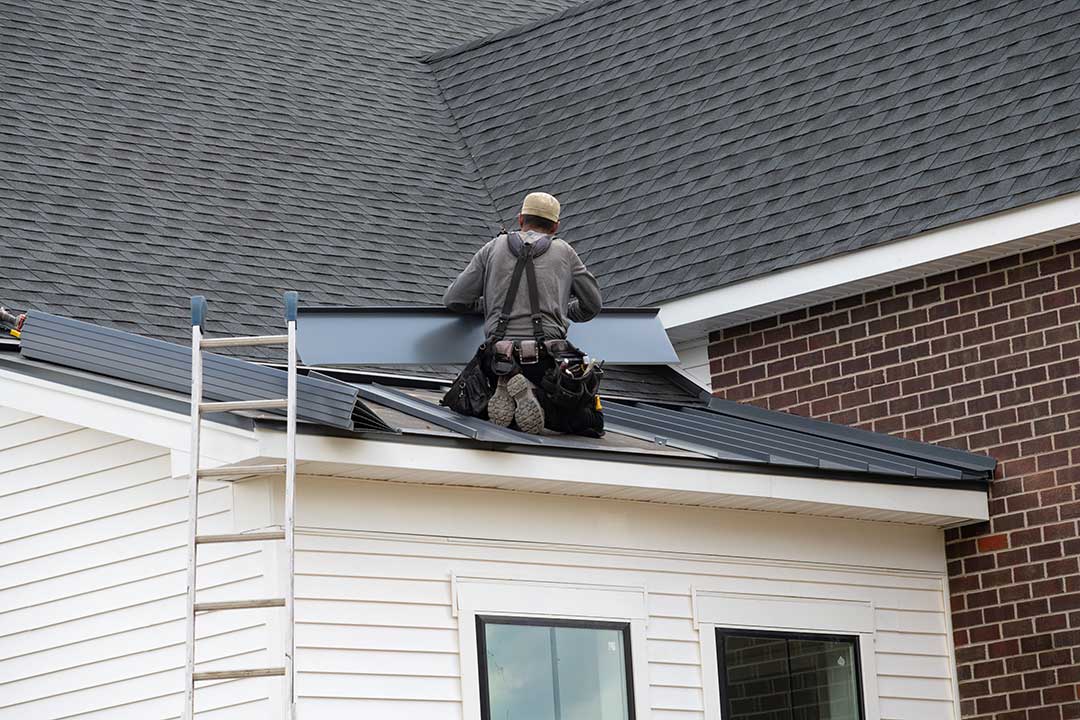
Documenting the specific problem and history of your roof helps support your claim and ensures you’re not denied on a technicality.
What Are Common Misunderstandings About Roof Warranties?
Some residents mistakenly believe warranties are “all-inclusive.” In reality, most protect against very specific problems. Other misunderstandings include:
- Believing storm or wind events are always covered (they’re often not, or only up to a set threshold)
- Thinking a manufacturer’s warranty will pay for labor to re-install new shingles (many cover only replacement materials, not labor)
- Assuming all leaks are covered, when coverage might only apply if the leak is traced to a material defect, not a maintenance issue
It’s also common to misplace warranties or fail to transfer them when buying a home. Keeping a dedicated home file with these documents is a good habit—especially for properties in the city’s older neighborhoods.
Dose Local Climate Affect Warranty Terms or Claims?
Yes, climate factors play an indirect but important role. Roofs in Hornell often face snow accumulation, freeze/thaw cycles, and strong seasonal winds. Manufacturers sometimes exclude “ice dam” damage or will specify wind coverage thresholds due to these local risks.
If roofing materials are not installed or maintained as specified for cold climates (e.g., with proper underlayment or ventilation), warranty claims may be denied. Checking that materials were rated for regional weather is worthwhile, especially when requesting service for winter-related issues.
What Factors Should Area Homeowners Check Before Relying on a Warranty?
Not all roofs and warranties are the same. Residents can avoid future surprises by:
- Reading all warranty documents carefully, especially the terms, exclusions, and requirements
- Confirming that products used were registered or eligible for warranty at installation
- Verifying transfer procedures if buying a home with a recently replaced roof
- Maintaining records of roof care, especially after storms or heavy winter events
- Asking for clarification directly from manufacturers if the terms are unclear
Warranties can provide real peace of mind for local homeowners, but only if their protections and limitations are clearly understood from the start.
