

Can Replacing a Roof Actually Lower Energy Bills?
Yes, installing a new roof can directly affect your home's energy efficiency, which may lead to lower utility bills over time. For residents of Hornell, NY, where winters can be cold and summers are often warm and humid, the condition and materials of your roof matter significantly for indoor comfort and household energy use.
Aging roofs tend to lose their ability to insulate, often allowing heat to escape in winter and unwanted warmth to seep in during the summer. This forces heating and cooling systems to work harder, increasing energy costs. A well-planned roof replacement addresses these issues by improving overall home insulation and reflecting or absorbing heat more effectively, depending on the chosen materials.
Why Does Roofing Affect Heating and Cooling Costs?
Roofing acts as a barrier between your indoors and the elements, playing a vital role in maintaining a stable indoor temperature. In the climate typical of Hornell, several roof-related factors can drive energy costs up or down:
- Insulation quality: Newer roofs often come with improved underlayment and options for adding attic insulation.
- Material choice: Some roofing materials have higher reflectivity (solar reflectance), which helps reduce cooling needs in summer.
- Air leakage: Old roofs may develop gaps, cracks, or worn flashing, leading to drafts and heat loss in winter.
Correcting these problems with modern techniques not only preserves home comfort but helps local residents avoid constant thermostat adjustments—and the higher bills that come with them.
What Materials Are Best for Energy Efficiency in This Region?
Several types of roofing materials perform better for energy efficiency in the climate seen across Hornell:
- Architectural asphalt shingles with reflective granules can reduce solar heat gain.
- Metal roofing, especially with “cool roof” coatings, repels much of the sun’s rays, keeping attic spaces cooler.
- Well-installed composite or engineered options may offer enhanced insulation and weather resistance.
It’s also common for new roof installations to include radiant barriers or enhanced attic ventilation, supporting both winter heat retention and summer cooling. Each material has different costs and performance levels, so energy savings will vary with your specific roof design and how it’s installed.
How Much Difference Can a Roof Replacement Make?
The actual savings depend on many factors: the size and orientation of your home, attic conditions, previous roof age, and insulation levels. That said, it’s not unusual for area households to see energy bills drop by 10–20% after a roof replacement if the previous roof was poorly insulated or damaged.
However, roofs alone cannot resolve all energy issues. Even the most efficient new roof must work alongside reasonable attic insulation, air sealing, and sensible thermostat habits. Some residents expect instant dramatic savings, but real-world results are gradual and cumulative—especially during extreme seasons typical in the region.
What Are Common Misconceptions About Roof Replacements and Energy Bills?
Many believe that replacing a roof with any new material will slash energy bills, but the reality is more nuanced:
- Not all new roofs are equally energy-efficient—material choice and attic upgrades are crucial.
- Skipping insulation during a replacement project can undermine much of the potential benefit.
- Roof color matters somewhat: lighter shingles may reflect more sun, but insulation quality usually plays a larger role in Hornell, where winter heat retention is vital.
- Small repairs to an old roof rarely provide the same energy savings as a full replacement when major deterioration is present.
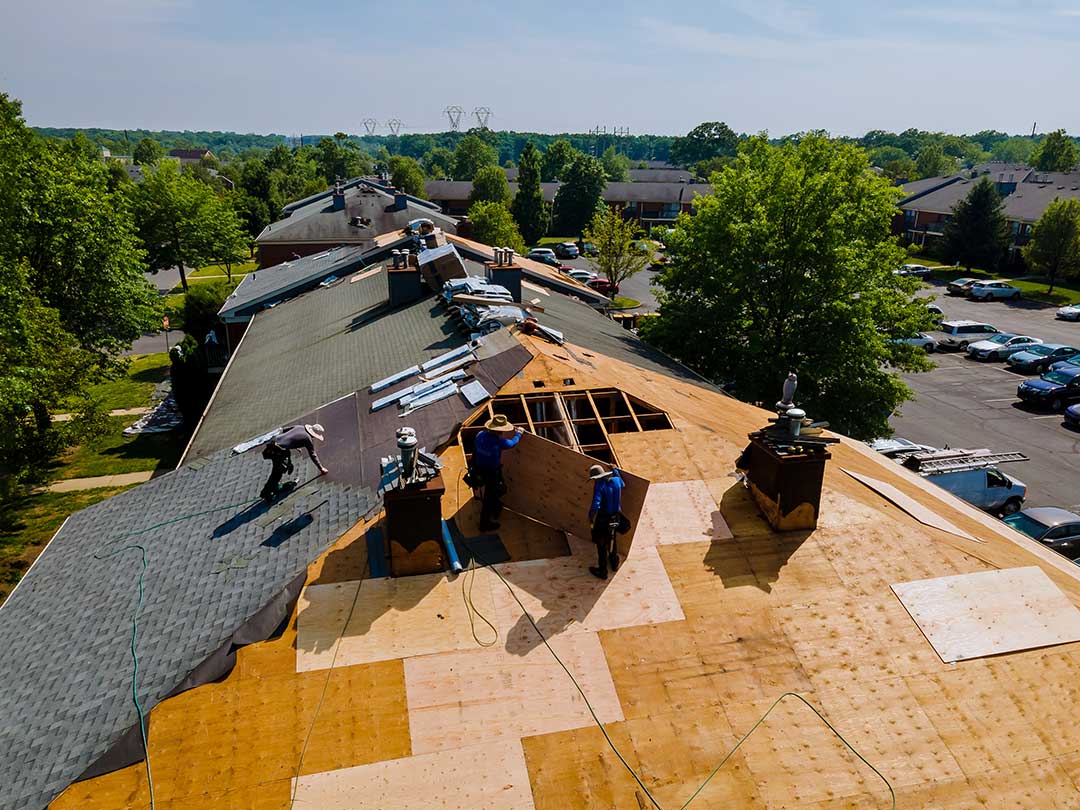
Are There Local Considerations for Roof Replacement and Efficiency?
In Hornell, homes often experience snow accumulation, ice dams, and wide temperature swings. Local weather amplifies the importance of:
- Ice and water barriers to stop leaks and prevent heat loss from melting snow.
- Adequate attic ventilation, which pairs with an insulated roof to prevent condensation and maintain indoor temperature consistency.
- Durable materials that handle freeze-thaw cycles without warping or becoming brittle.
Building codes and historic home regulations may also shape your options. For some properties, upgrading insulation alongside a new roof is necessary for code compliance—an opportunity to maximize energy savings.
What Should Local Residents Watch For When Considering a Replacement?
Before starting a replacement project, consider:
- Age and visible condition of the current roof (missing shingles, frequent leaks, sagging)
- Past energy bills—has there been a steady increase, especially during extreme cold or heat?
- Proper ventilation and insulation in the attic, as deficiencies in these areas can negate the benefits of a new roof
- Local permit and code requirements, especially for historic homes
If a roof is near the end of its lifespan and energy bills are climbing, it may be worth evaluating not just new shingles but the full system: decking, barriers, ventilation, and insulation. This holistic approach is most likely to deliver meaningful long-term savings for the community.
