
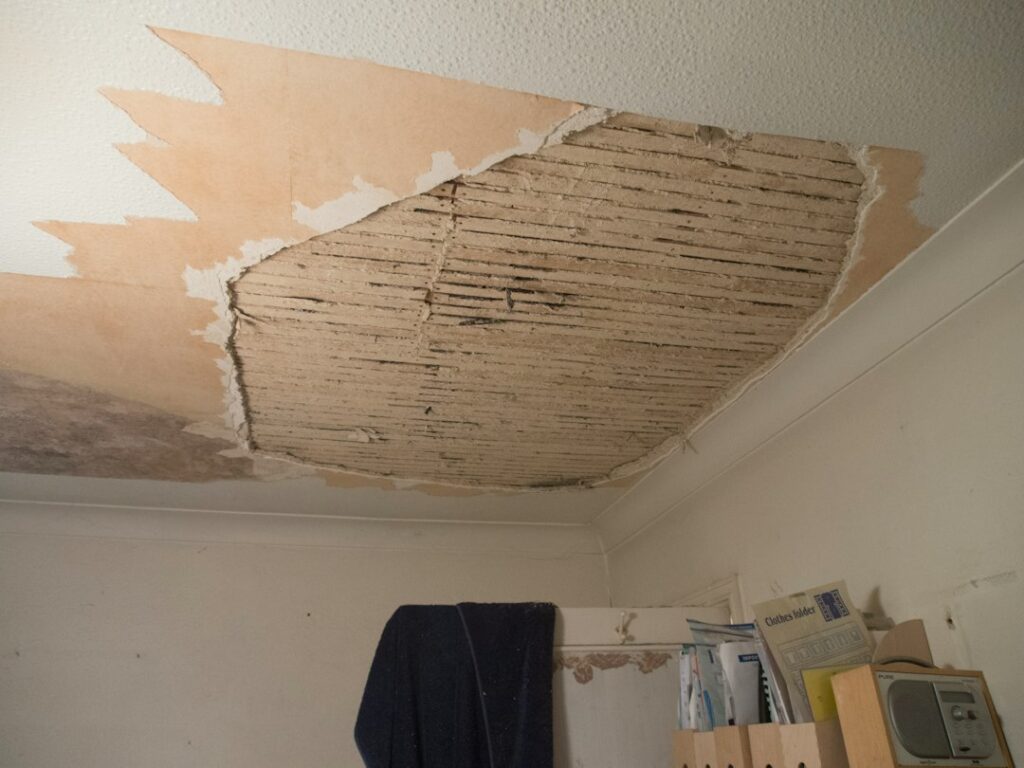
A new roof can reduce indoor allergen problems when an aging or damaged roof is allowing water into the attic, ceiling, or wall cavities. By stopping leaks and improving moisture control, roof replacement may help limit conditions that support mold growth and increase airborne irritants.
A roof does not remove every allergen from a home. Dust mites, pollen, pet dander, pests, and outdoor air can still affect indoor air quality. The main benefit of a new roof is moisture prevention: keeping the building envelope dry so mold and mildew are less likely to develop or spread.
How can roof damage affect indoor allergens?
Roof damage can create hidden damp areas where mold grows above ceilings, inside insulation, or along attic framing. Even a small leak may wet wood, drywall, insulation, or stored materials repeatedly during rain and snowmelt.
Mold reproduces by releasing tiny spores into the air. Those spores can move from an attic or wall cavity into living spaces through gaps around light fixtures, plumbing penetrations, recessed lights, attic hatches, ductwork, and other openings.
Common roof-related conditions that may contribute to indoor allergen problems include:
- Missing, cracked, or deteriorated shingles
- Failed flashing around chimneys, vents, and roof edges
- Ice-dam-related water entry during winter
- Roof valleys that collect runoff
- Damaged underlayment beneath the outer roofing material
- Poor attic ventilation that allows condensation to form
- Wet insulation or sheathing that never fully dries
In older homes, a leak may not appear directly below the damaged area. Water can travel along rafters, framing, or insulation before staining a ceiling or wall. A musty odor, peeling paint, bubbling drywall, or recurring discoloration can sometimes signal a moisture problem even when no active dripping is visible.
Does replacing the roof eliminate mold?
No. Replacing the roof stops a common source of moisture, but it does not automatically remove mold that has already developed.
If wet insulation, ceiling materials, wood, or wall cavities remain in place, mold may continue growing after the new roof is installed. Existing contamination may also continue releasing particles into the air. Roof replacement should therefore be viewed as moisture-source correction, not as mold remediation.
The steps needed depend on the extent of the damage. Minor, accessible surface growth may be handled differently from mold inside insulation, behind drywall, or across a large area. Materials that cannot be thoroughly dried and cleaned may need removal. Larger or concealed problems can require specialized assessment, particularly when occupants have asthma, severe allergies, or weakened immune systems.
A roof project should also include attention to the underlying structure. Replacing shingles over wet decking or damaged insulation can hide the original problem rather than solve it.
Why does attic ventilation matter?
A sound roof can still be associated with indoor moisture problems if the attic is poorly ventilated or improperly insulated. Warm, humid household air can enter the attic through gaps around wiring, plumbing, attic hatches, and ceiling fixtures. During cold weather, that moisture may condense on cold roof components.
Persistent condensation can dampen insulation and wood, creating conditions that support mold. It can also contribute to frost buildup, staining, and deterioration of roof materials.
Effective attic moisture control usually involves several parts:
- Air-sealing openings between the home and attic
- Keeping insulation properly distributed and dry
- Providing balanced intake and exhaust ventilation
- Ensuring bathroom and kitchen exhaust vents discharge outdoors rather than into the attic
- Checking for signs of frost, damp insulation, or darkened roof sheathing
- Maintaining adequate ventilation around roof penetrations and eaves
Ventilation alone is not a substitute for fixing leaks or controlling indoor humidity. In some homes, excessive ventilation without proper air-sealing may allow more moisture movement or reduce energy efficiency.
Why is this especially relevant during local winter conditions?
Hornell experiences cold winters, snow, freeze-thaw cycles, and periods of heavy precipitation. These conditions place repeated stress on roof coverings, flashing, gutters, and drainage paths.
Snow and ice can conceal damaged roofing materials or create temporary blockages at roof edges. When temperatures rise, meltwater may move beneath roofing components or enter through vulnerable flashing. Repeated freezing and thawing can also widen small cracks and loosen materials over time.
A new roof designed and installed for the building’s structure can reduce the chance that seasonal precipitation reaches the attic. Proper edge details, flashing, drainage, and ventilation matter as much as the visible roofing surface.
Homeowners should not assume that a roof is sound simply because shingles look acceptable from the ground. Leaks may originate at penetrations, valleys, chimneys, or wall intersections that are difficult to see without close inspection.
Which allergens can a new roof help reduce?
A new roof can primarily help reduce allergens and irritants associated with moisture damage, especially mold spores. It may also reduce conditions that attract pests if leaks have damaged attic materials or created damp nesting areas.
However, roofing work has little direct effect on several other common indoor allergens:
- Pollen tracked indoors on shoes, clothing, and pets
- Pet dander and saliva proteins
- Dust mites in bedding, carpets, and upholstered furniture
- Cockroach or rodent particles
- Dust produced by household activities
- Outdoor pollution entering through open windows or unfiltered ventilation

This distinction matters because persistent allergy symptoms do not necessarily indicate a roofing problem. If there is no evidence of leaks, dampness, or attic contamination, other parts of the home may deserve attention first.
What should be checked after a roof replacement?
After roof work, the attic and upper floors should be checked for continuing moisture or signs of previous damage. Useful observations include:
- New or recurring ceiling stains
- Damp or compressed insulation
- Musty smells after rainfall
- Condensation on nails, roof sheathing, or ventilation components
- Peeling paint or soft drywall
- Visible mold growth
- Blocked or disconnected exhaust vents
- Water entering around roof penetrations
A moisture problem that continues after replacement may come from plumbing, bathroom ventilation, ice dams, wall flashing, basement humidity, or indoor condensation rather than the roof covering itself.
Any moldy or water-damaged material should be addressed separately. Simply painting over a stained surface or sealing a damp material can trap moisture and allow growth to continue out of sight.
What other steps improve indoor air quality?
Roof replacement works best as part of a broader moisture and ventilation plan. Indoor relative humidity is generally best kept below 60 percent, with many homes performing well in the 30 to 50 percent range. A dehumidifier may help in damp areas, but it does not correct an exterior leak.
Residents can also reduce indoor allergen exposure by:
- Changing HVAC filters on an appropriate schedule
- Using kitchen and bathroom exhaust fans
- Drying wet materials quickly after leaks or spills
- Washing bedding regularly in hot water when appropriate for the fabric
- Controlling basement and crawl-space moisture
- Cleaning dust with methods that do not simply redistribute it
- Keeping gutters and downspouts clear so water drains away from the structure
- Limiting outdoor air entry during peak pollen periods when practical
A roof replacement may provide a meaningful indoor-air benefit when the old roof is contributing to dampness. The improvement comes from stopping water intrusion, drying affected materials, and preventing future moisture—not from the roofing material itself filtering allergens from the air.
